Finding the right brand or web designer can seem overwhelming when there are thousands of different options out there. Most people searching for a designer will rely on the internet to help them decide.
Search engines like Google show a variety of potential candidates on their first page results. You might assume these select few are the cream of the crop since they are at the front. But are first page results really offering you the best solution?
Below are some helpful tips to consider before you make your final decision.
Portfolio
One of the first things to consider when hiring a brand or web designer is credentials. I’m not talking about social security numbers or driver’s licenses but rather, portfolios. Designer portfolios can range from hundreds of designs to a select few.
But how do you know which option is best? From a design standpoint, the strongest portfolios usually present 5-10 designs. A portfolio with 500 designs may seem impressive, but it is doubtful you will be browsing long enough to go through every detail. Always consider quality over quantity.
Portfolio designs should be well presented, clear, and cohesive. They should give you a good understanding of the designer’s overall style and aesthetic. This way you can determine if your visual tastes align and be sure they will be able to achieve what you’re looking for.
Experience + Process
It is also very important to consider their experience. You want to trust that your designer didn’t just appear overnight and that they have been working at this long enough to have a solid creative process.
Chances are if you find a designer that just started out recently and has already done 500 designs, they are probably cranking them out like fast-food burgers—not exactly giving you the attention and professionalism your design needs and deserves.
A good designer doesn’t necessarily need to have a professional design background or a formal education. But they should have a clear and concise understanding of the elements and fundamentals of design, as well as a system in place that allows them to walk you through the creative process step-by-step.
Turnaround + Time Frame
Turnaround and time frames will vary for every designer. Some will say days while others will say weeks, or even months. There is really no right or wrong answer here, as long as your designer is taking the appropriate steps to develop something meaningful that aligns with your goals and the needs of your audience.
Simply put, great design takes time. You should not expect your designer to rush through anything, especially when you’re working with someone on more in-depth branding or web design. It’s important to respect the creative process and allow your designer to develop a solid strategy before jumping straight into the design portion. Think of it like this: You wouldn’t start construction on a new home without a blueprint or house plan, right?
In the event that you do have a preferred time frame or deadline, be sure to let your designer know in advance so they are aware of your situation. Many designers are flexible and try to be as accommodating as possible. Even if they cannot make any guarantees, most are willing to break down their timeline in more detail so you understand what to expect.
Investment
The investment is one of the biggest factors when it comes time to choose a designer. Nowadays, you can find design rates ranging from $500 to $100,000 or more. Most people are quick to jump at the lower option. Just remember, good design isn’t cheap and cheap design isn’t good. The cost of good design can add up, but bad design will cost you a lot more time and money in the end.
A general rule of thumb is that your design budget (which technically falls under marketing) should be 10-20% of your annual income. If you’re still in the startup phase, you can estimate what your first year of income is and go from there.
This rate sheet will give you an idea of what different designers and creative entrepreneurs are charging for services like branding, photography, advertising, marketing, web design and more.
When preparing to invest in your brand, it’s always better to plan ahead. This will keep you from feeling overwhelmed when it’s time to start your project, and will also help your designer provide the best solution for your needs.
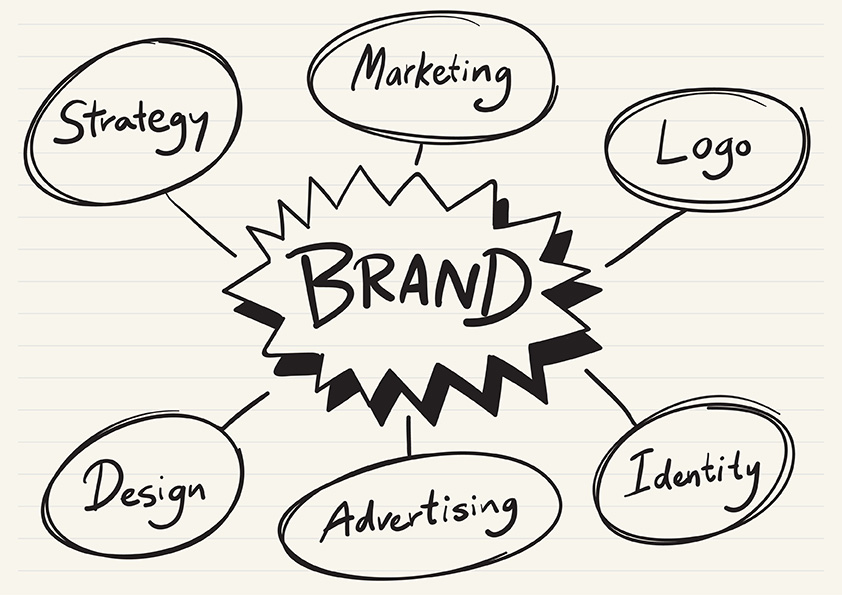
You’ve probably heard it before. Your brand is more than a logo—it’s a culmination of strategy, content, visuals, and media all put together in a way that creates a memorable and engaging experience for your audience.
To find an appropriate solution for your business, your designer needs to know about your business and your goals. They may ask questions like:
1. Are you a service or product based business?
2. Are you selling online or in store?
3. How many products do you sell, or plan to sell?
4. Do you need packaging or printed materials?
5. Do you have a product manufacturer?
6. Do you have brand guidelines?
7. Do you have professional brand/product photography?
8. Do you have website content prepared?
9. Where will you be promoting your business?
10. When do you plan to launch your brand?
Final deliverables vary for every project, but you will typically receive a visual direction or moodboard, logo variations, fonts, colors, and other brand and design elements such as patterns, illustrations, icons, brand guidelines, print materials, or social media templates. Keep in mind that things like font and image licenses, printing, and copywriting are usually a separate cost and not provided by your designer.
Before choosing a designer based on cost alone, remember that you are also choosing someone based on their vision, experience, and knowledge of your project and needs. Design is a big investment, but finding the right designer adds real value to your business and will pay for itself again and again.
Finally, keep in mind that your design investment is also a write-off and you can include creative expenses like these when filing your taxes.

Testimonials
Testimonials or reviews are another important factor to consider. If your designer is good at what they do, their clientele should have no issue offering a helpful recommendation. The best testimonials will include name and contact information such as email address or website (with permission, of course).
Some will even offer images, which is an added bonus. If you have worked with a designer before, remember you hired them to perform a service. If you are happy with that service and your final product, you should be happy to oblige and help them with future opportunities.

Affiliations
Affiliations are another area that you may be interested to look at when hiring a designer. Not all designers or agencies have them, but it is always good to know if they are involved in groups or members of associations that show they are serious about what they do.
Some designer-specific affiliations may include The Freelancers Union, AIGA (American Institute of Graphic Arts), or GAG (Graphic Artists Guild).
Customer Service
Finally, customer service is a key factor when determining how to choose a brand or web designer. If your designer is serious about their work ethic, they will maintain strong communication skills from start to finish.
Ask yourself: Do they answer emails quickly? Do they make themselves available through various outlets like email, telephone and chat? Do they present a sense of trust and attentiveness? These are all things you want to look for and consider.
Great customer services goes a long way, so don’t be afraid to ask questions and see where your potential designer stands.
Summary
In summary, when it’s time to figure out how to choose a brand or web designer you should consider the following:
- Portfolio
- Experience and process
- Turnaround and time frame
- Investment
- Testimonials
- Affiliations
- Customer Service
Was this helpful for you? I’d love to hear your feedback. Let me know in the comments!


Leave a Reply